Reflecting on My 2025 AI Predictions: Hits, Misses, and Surprises
A look into how my 2025 predictions turned out

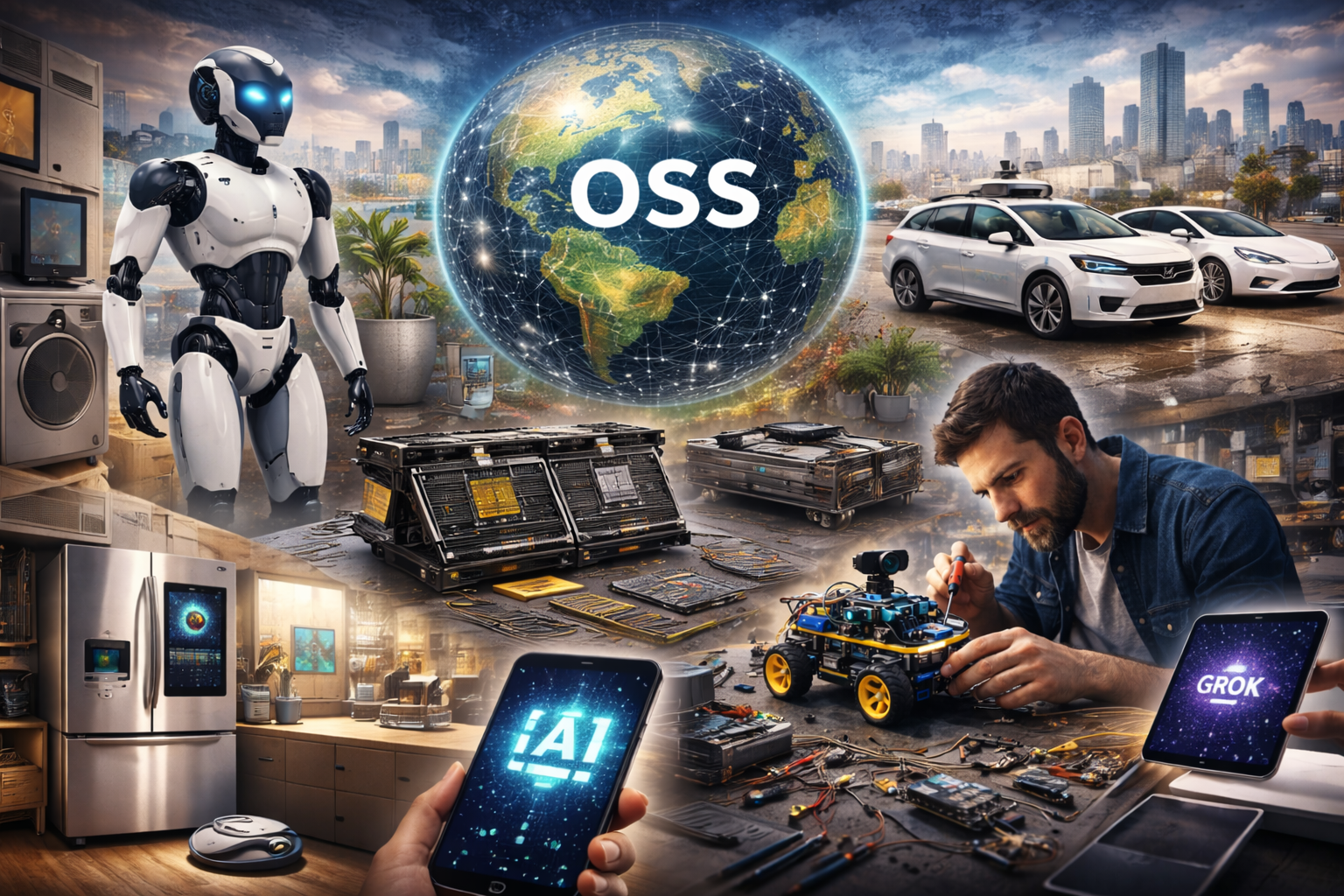
About a year ago, I put out my AI predictions for 2025 - a mix of some bets and a few fringe ideas I thought might just pan out. Now that we're into 2026, it's time for the fun part: looking back and scoring how they did.
I reviewed each one against what actually happened in 2025. Scores out of 10, with real examples and links. Overall average came in around 8.9/10 not bad, though a couple overstated the pace.
Here we go:
1 - More and more devices start getting voice interfaces and intelligence (e.g., microwave, fridge, washer/dryer).
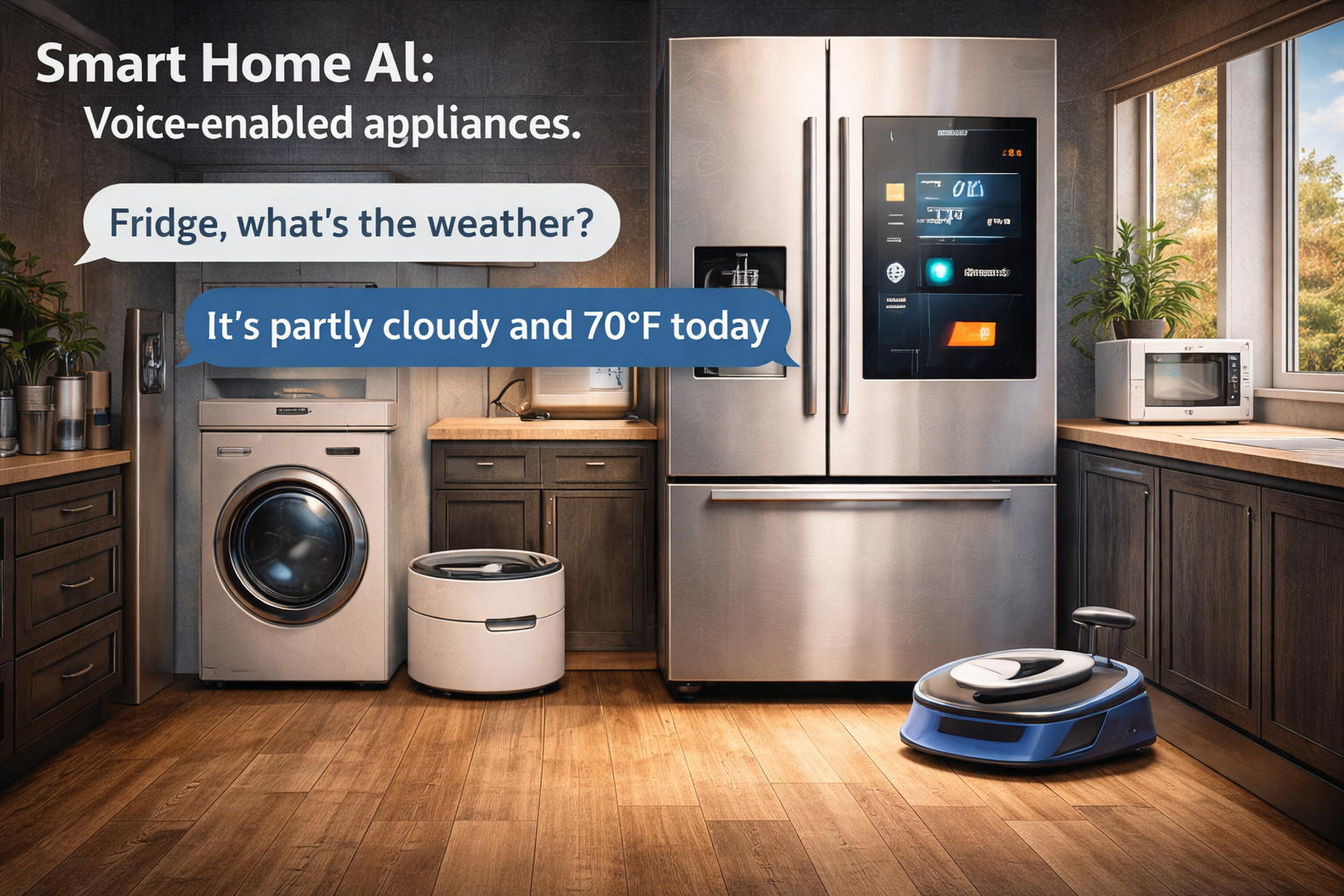
2025 was huge for "Home AI." Samsung launched their Home AI suite at CES, and brought personalized, proactive features to appliances like fridges and vacuums. LG pushed Affectionate Intelligence across their ecosystem. Voice alerts, recipe suggestions, and predictive maintenance became standard in premium lines. source 1 | source 2
Score: 9/10 - Broad integration, though not every budget appliance
2 - AI agents can do useful real-life stuff (80%+ of phone/web tasks).
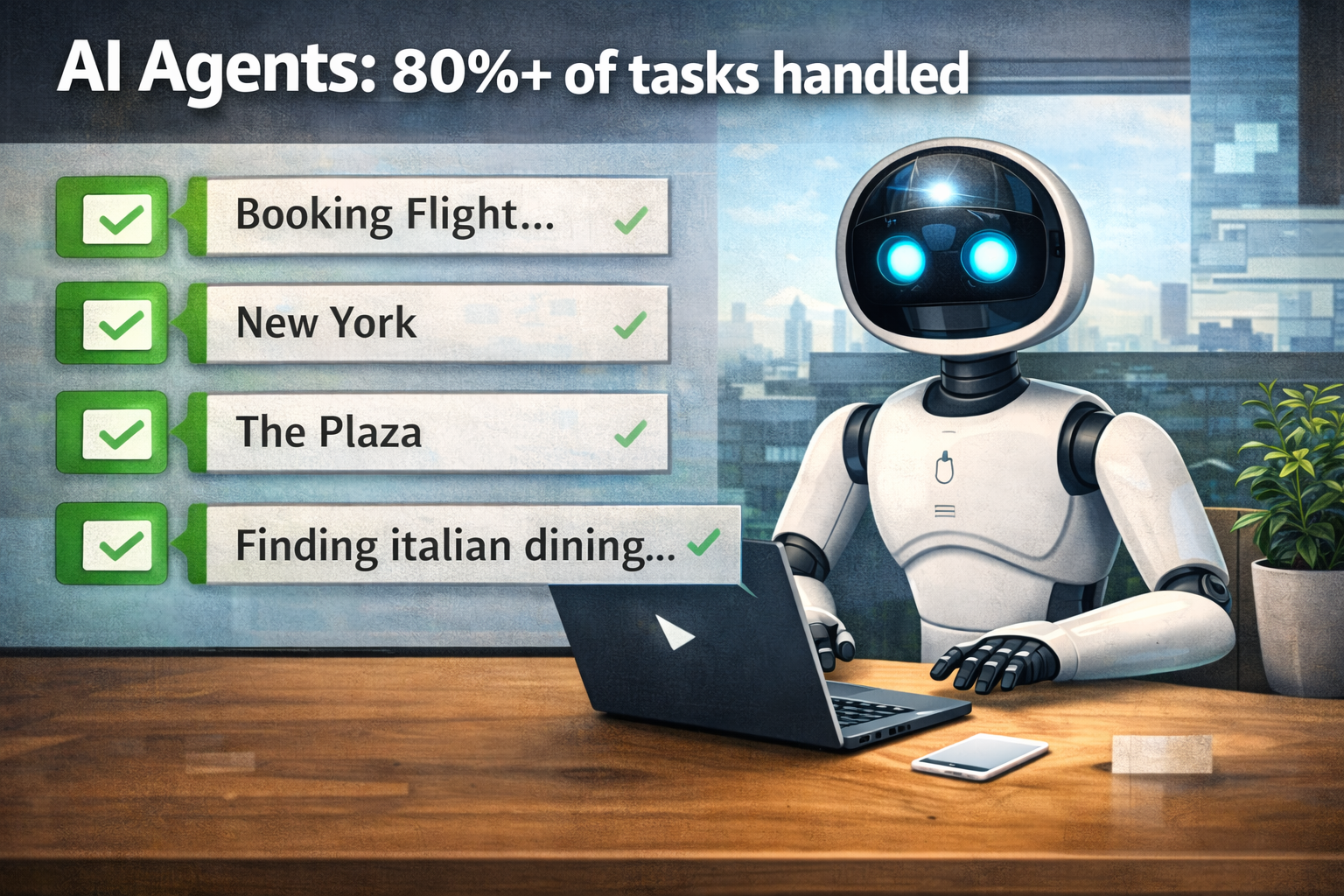
Agents went from hype to reality. Autonomous tools handled bookings, shopping, and multi-step workflows with high success rates. Reports called 2025 the year agents shifted from chatbots to actual doers. source 1 | source 2
Score: 9/10 - Close to that 80% mark for common tasks.
3 - Open-source models become the most used models in the world (possibly local)
Open-source gained massive ground (some estimates 22-35% share, spikes in Chinese models), but proprietary still dominated cloud usage and enterprise dollars. Fine-tuning boomed, yet GPT series held the volume lead. source 1 | source 2
Score: 7/10 - Strong progress, but not quite #1 globally.
4 - Small-ish local models get deployed to mobile devices (often invisible to users)
Nailed it. On-device AI became standard. Apple Intelligence, Gemini Nano on Pixels, Galaxy AI heavy on local processing. Privacy and speed drove seamless integrations. source
Score: 10/10 - Exact match.
5 - Affordable AI inference hardware for hackers/tinkerers (GPT-4-level for a few hundred bucks)
Budget options exploded — quantized models on used GPUs or new mid-range cards got close for tinkerers. Full unquantized frontier parity still needed bigger rigs. source 1 | source 2
Score: 8/10 - More accessible than ever.
6 - Driverless cars/autonomous driving go more mainstream (expanded areas, more vehicles)
Robotaxi surge! Waymo expanded to multiple new cities, Tesla rolled driverless pilots wider. Fleets grew significantly. source 1 | source 2
Score: 9/10 - Clear step toward mainstream.
7 - Tesla gets embedded Grok
Direct hit. Rolled out in 2025.26 OTA and holiday update. Grok handles navigation, co-pilot features, natural queries. source 1 | source 2
Score: 10/10 - Spot on.
8 - More AI used in education (primary/secondary contact)
Adoption skyrocketed. Surveys showed massive teacher/student use, new policies, personalized tools everywhere. source
Score: 9/10 - Transformative year.
9 - Robots with limbs (quadrupeds, armed) become commonplace with early adopters
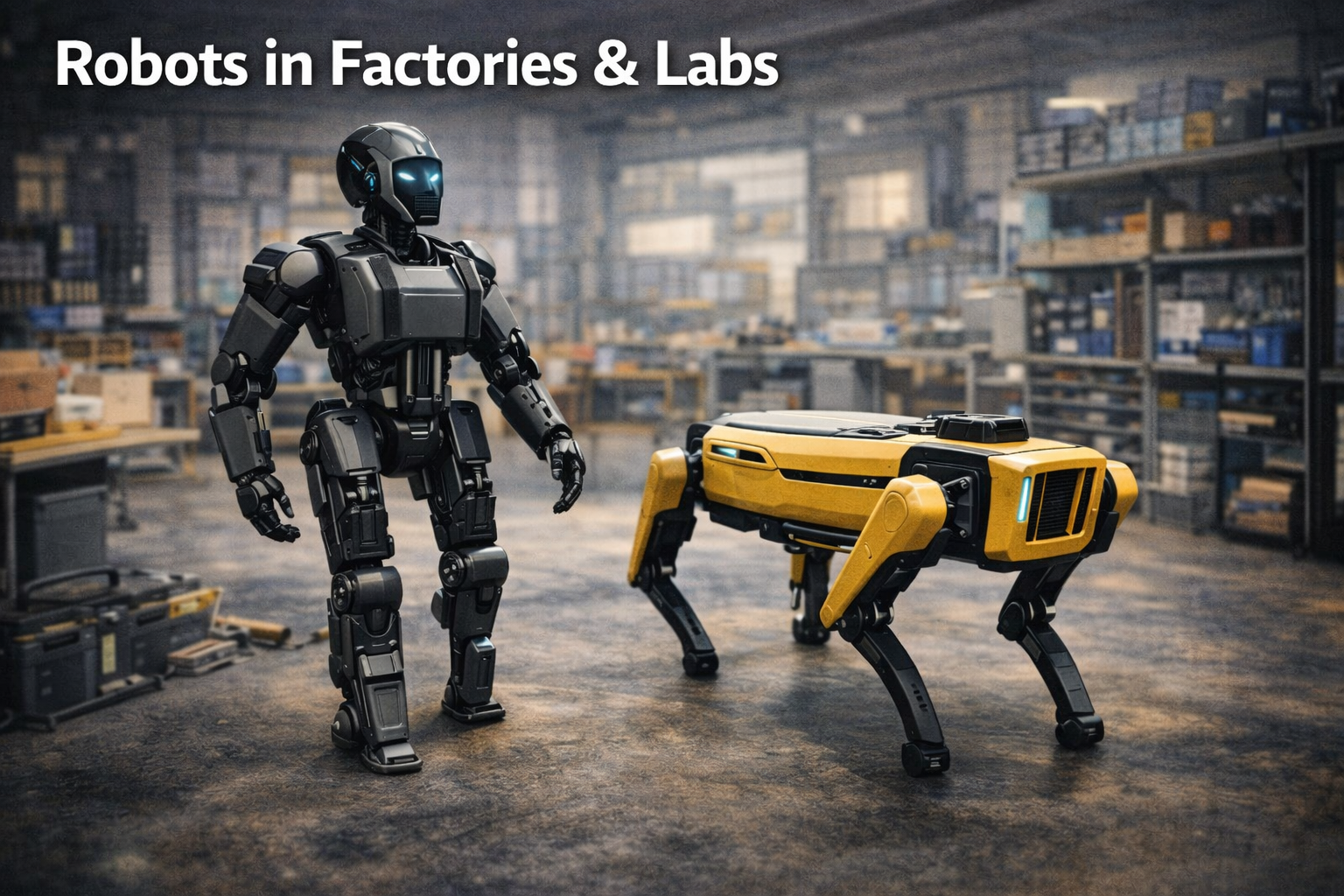
Humanoids and quadrupeds entered factories, research, pilots. Early adopter growth was real. source
Score: 9/10 - Fringe but delivered.
10 - Building autonomous robots becomes more accessible; hobbyists do it
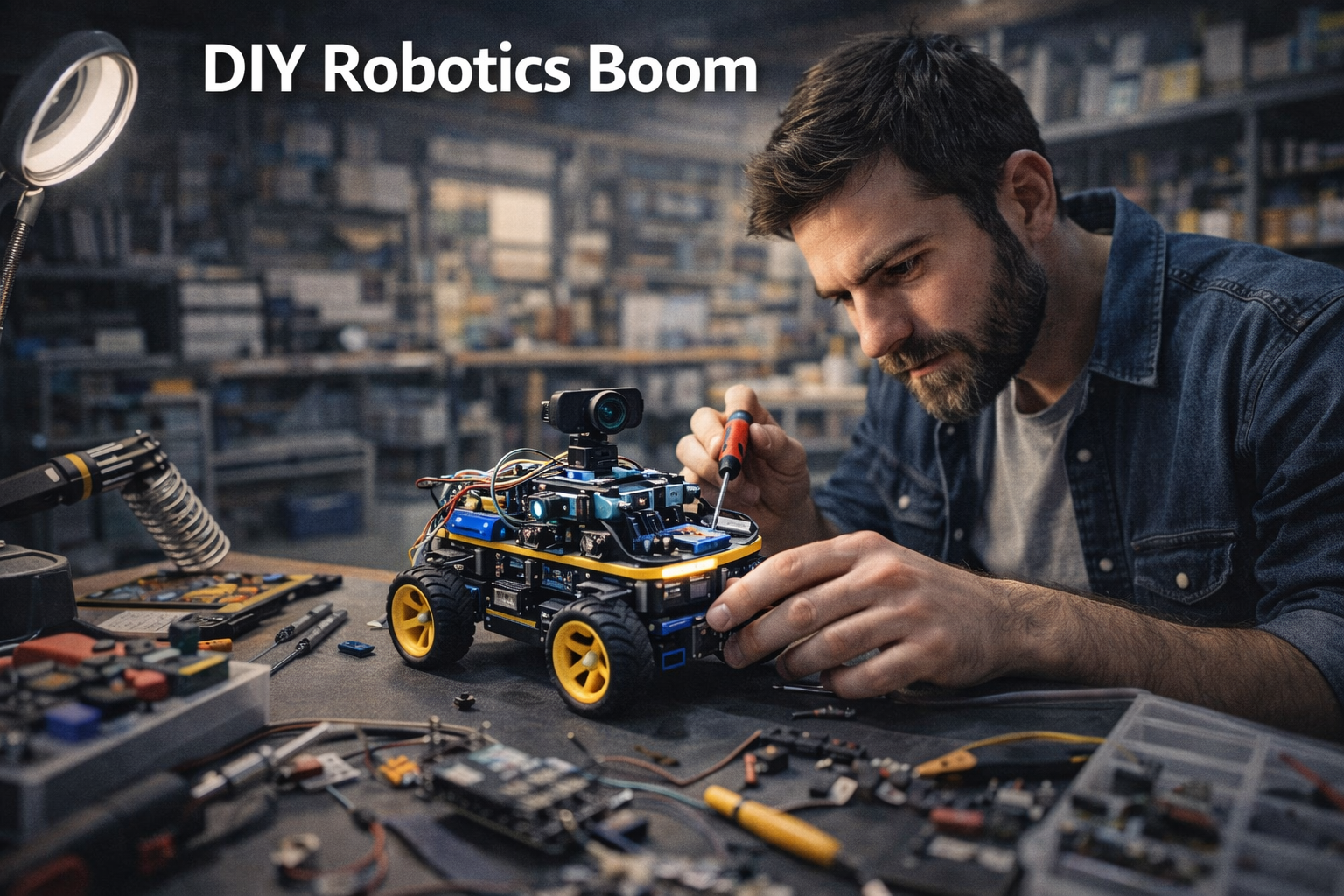
Kits, open platforms, and cheaper components made DIY viable for hobbyists and educators.
Score: 9/10 - Barriers dropped significantly.
11 - xAI gets more traction and rocks the boat (compute, talent, data)
Grok 4, 4.1 releases, benchmark tops, enterprise push... Definitely disrupted the leaders... source
Score: 10/10 - Rocked it.
12 - AI in sciences: Purpose-built transformer models for niches (genomics, proteins, etc.)
OpenAI's protein engineering model (via Retro Biosciences) boosted stem cell efficiency dramatically. Specialized tools accelerated niches. source
Score: 9/10 - Strong examples.
13 - AI that helps verify/improve science papers
Over 50% of researchers used AI for peer review; tools for summarization and verification widespread. source
Score: 9/10 - Became standard.
14 - Research published that wouldn't happen without AI's help
AI-assisted breakthroughs in biology, wet-lab acceleration, frontier benchmarks. source
Score: 10/10 - Proven cases.
15 - Adoption will increase (e.g., your mom has heard of/tried it)
Universal - billions of users, enterprise surge, public awareness everywhere.
Score: 10/10 - Obvious winner.
Pretty solid set of calls if I say so myself. The biggest themes (agents, on-device/local AI, robotics early steps, and AI accelerating science) all materialized faster than many expected.
What do you think? Which one surprised you most? Drop a comment or share your own 2026 bets. I'll share mine in a post soon, too!
Cheers, Zvonimir